Home
Prishtina Parking
Prishtina Parking
Prishtina Parking
Location:Pristina, Kosovo
Typology:
Commercial, recreational area and underground parking
Author|s:Fatlum Haliti, Menor Pajaziti
Year of realisation:2022
Collaborators:Azize Kryeziu, Aida Bllacaku, Fjolla Januzi, Shpend Azizi, Florida Jakupi, Driton Ibrahimi, Zana Kamberi, Florent Bajrami, Alma Sfishta, Kujtim Asllani, Flamur Grajçevci, Florim Grajçevci
 Valon Mustafa
Cities derive their identity from the quality of their public spaces, where urban life unfolds, communities connect, and collective memory takes shape. This conviction underpins the work of Postarch, an architectural practice based in Prishtina that understands architecture as a continuous dialogue between the city, its people, and time. Through a diverse portfolio of public and private projects, the studio creates spaces where materiality, function, and context converge into a coherent architectural language, consistently seeking solutions that enrich the urban experience.
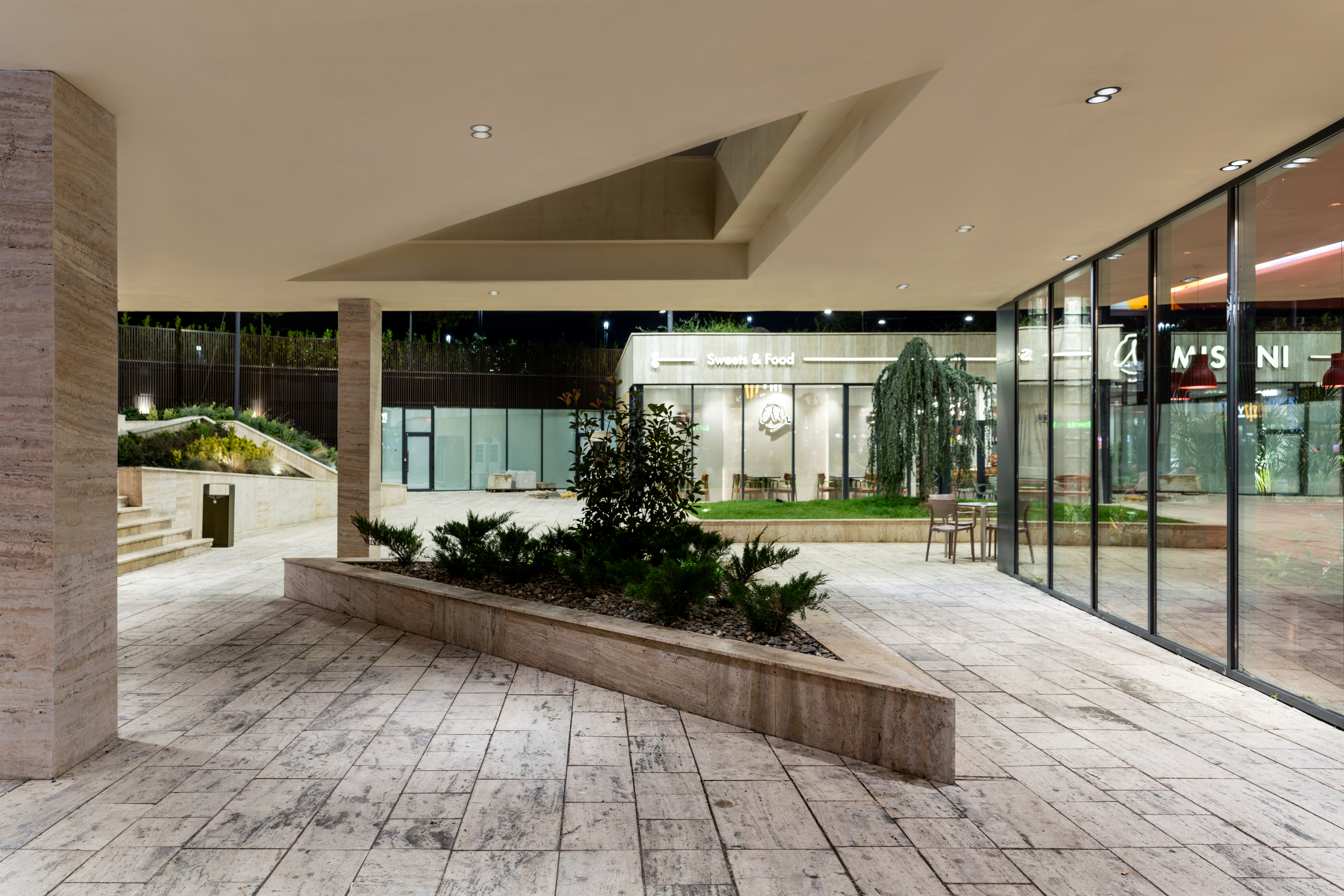
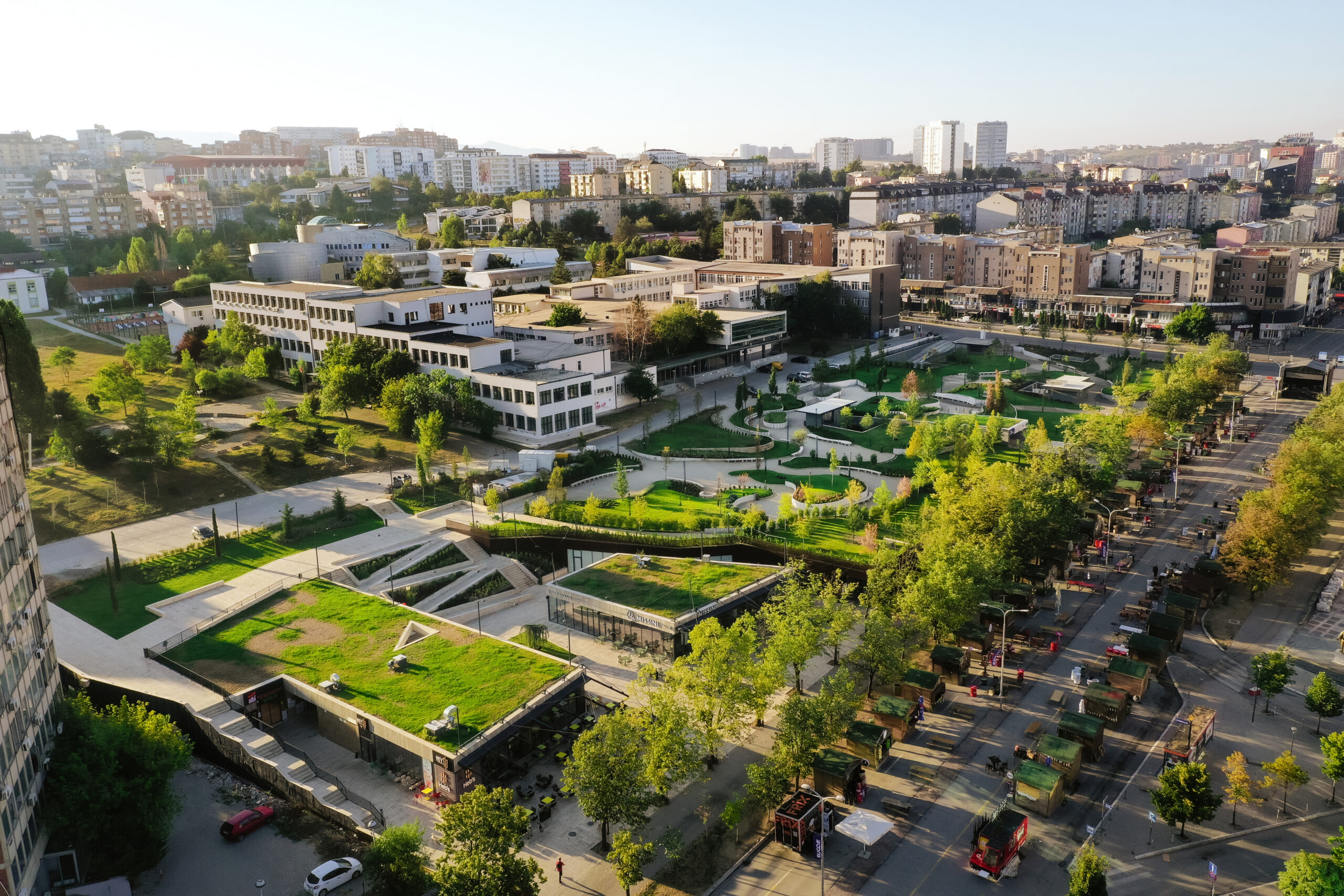
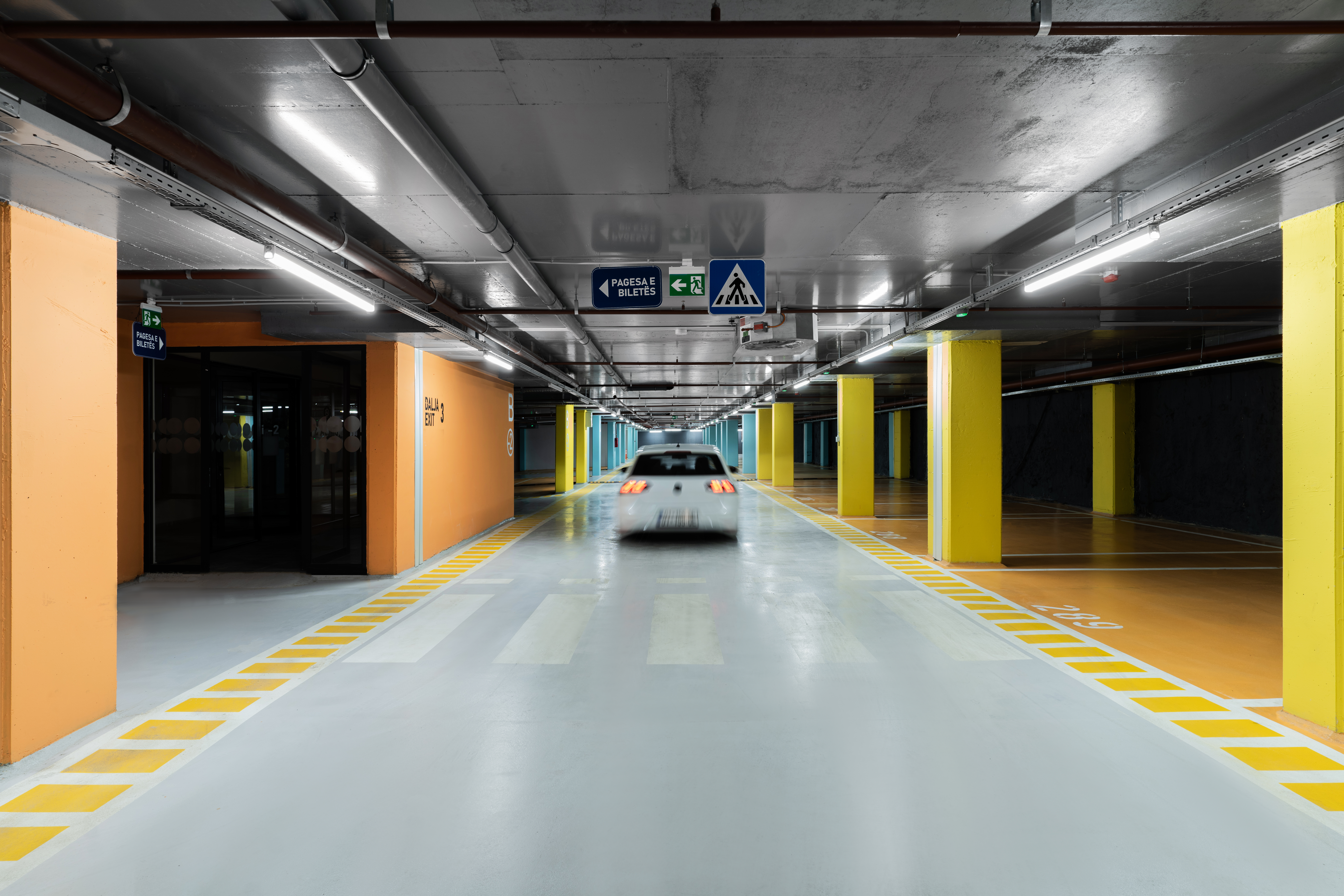
The concept for the Prishtina Underground Parking project was driven by a clear ambition: to reclaim the city for its people.. Rather than allowing vehicles to continue occupying valuable public space, the proposal relocates parking underground, liberating the surface for walking, gathering, greenery, and civic life. The project is driven by the belief that infrastructure should not become an obstacle to urban life, but rather an invisible system that enables the city to function more effectively.
 Valon Mustafa
Valon Mustafa
Valon MustafaThe intervention is conceived as an integrated urban infrastructure where parking facilities, commercial activities, and recreational spaces are woven into a unified spatial framework, creating a balanced urban environment. Located beneath Prishtina's principal square, directly opposite the Cathedral, the project addresses one of the city's most significant public spaces. Precisely because of this strategic location, the design seeks to minimise the physical presence of infrastructure at ground level by relocating parking functions underground and returning the square to pedestrians. This approach creates opportunities for new green spaces, recreation, and public activities, reinforcing the square's civic character while strengthening its relationship with the Cathedral, surrounding institutions, and the everyday rhythm of urban life.
The project reflects Postarch's approach to urban design, where the most meaningful transformations are often achieved through discreet, yet strategically significant interventions. It demonstrates that the quality of a city is shaped by infrastructure that quietly organises everyday life while fostering a sustainable balance between movement, functionality, and the identity of place. In this sense, the project reflects the practice's conviction that architecture achieves its greatest value when it enhances the urban experience without competing for attention, allowing the city itself to remain the true protagonist.
