Home
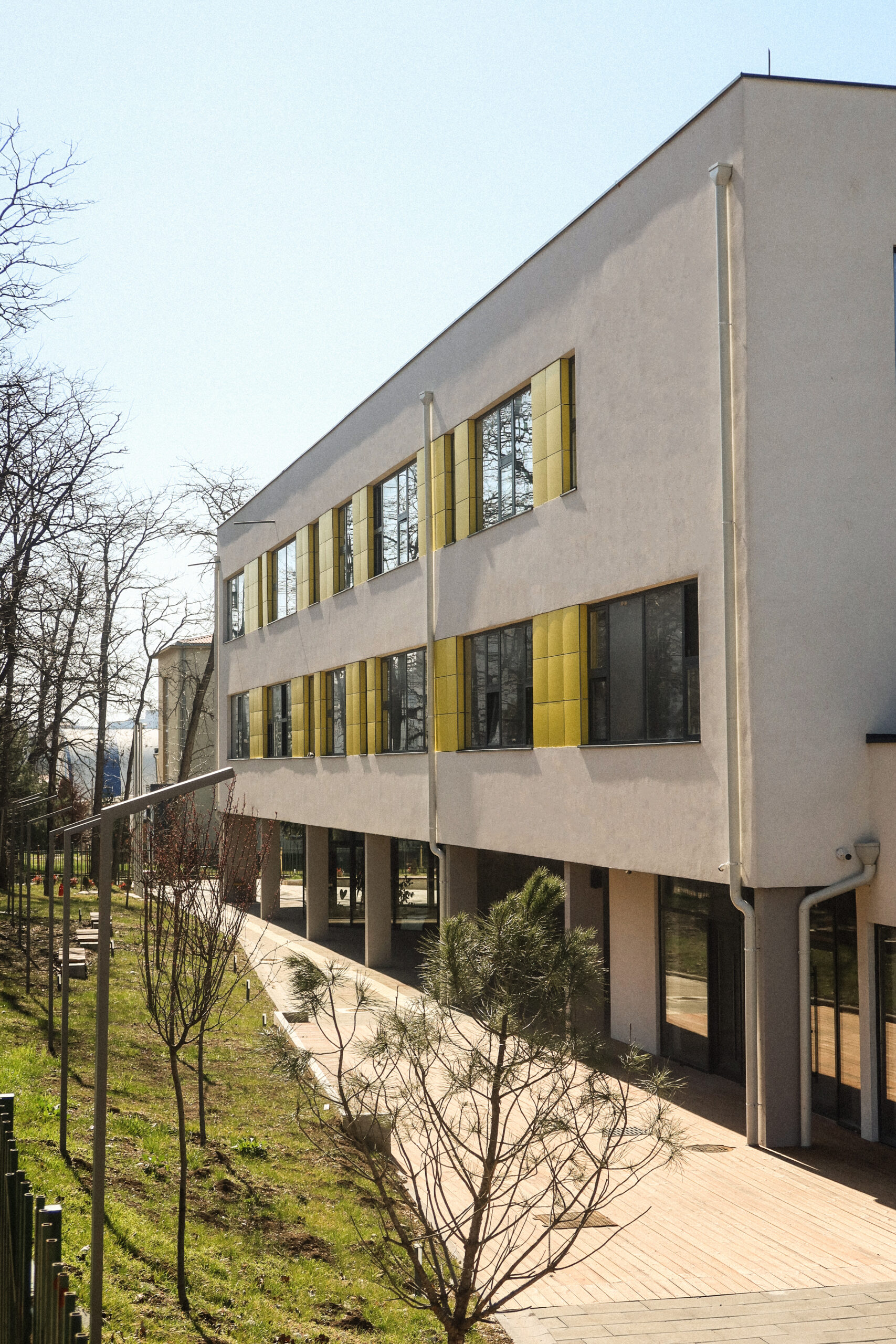
School of Tourism
School of Tourism
School of Tourism
Location:Pristina, Kosovo
Typology:
Education Building
Author|s:URBAN PLUS SHPK, Ilir Gjinolli, Arbenita Ymeri Rexhepi, Ardita Byci Jakupi
Year of realisation:2023-2025
Collaborators:Ibrahim Krasniqi, Arianisa Shehu, Dardana Sadiku, Edra Gjinolli ,Arbër Muçaj, Gani Latifi, Agron Pajaziti, Vehbi Duraku
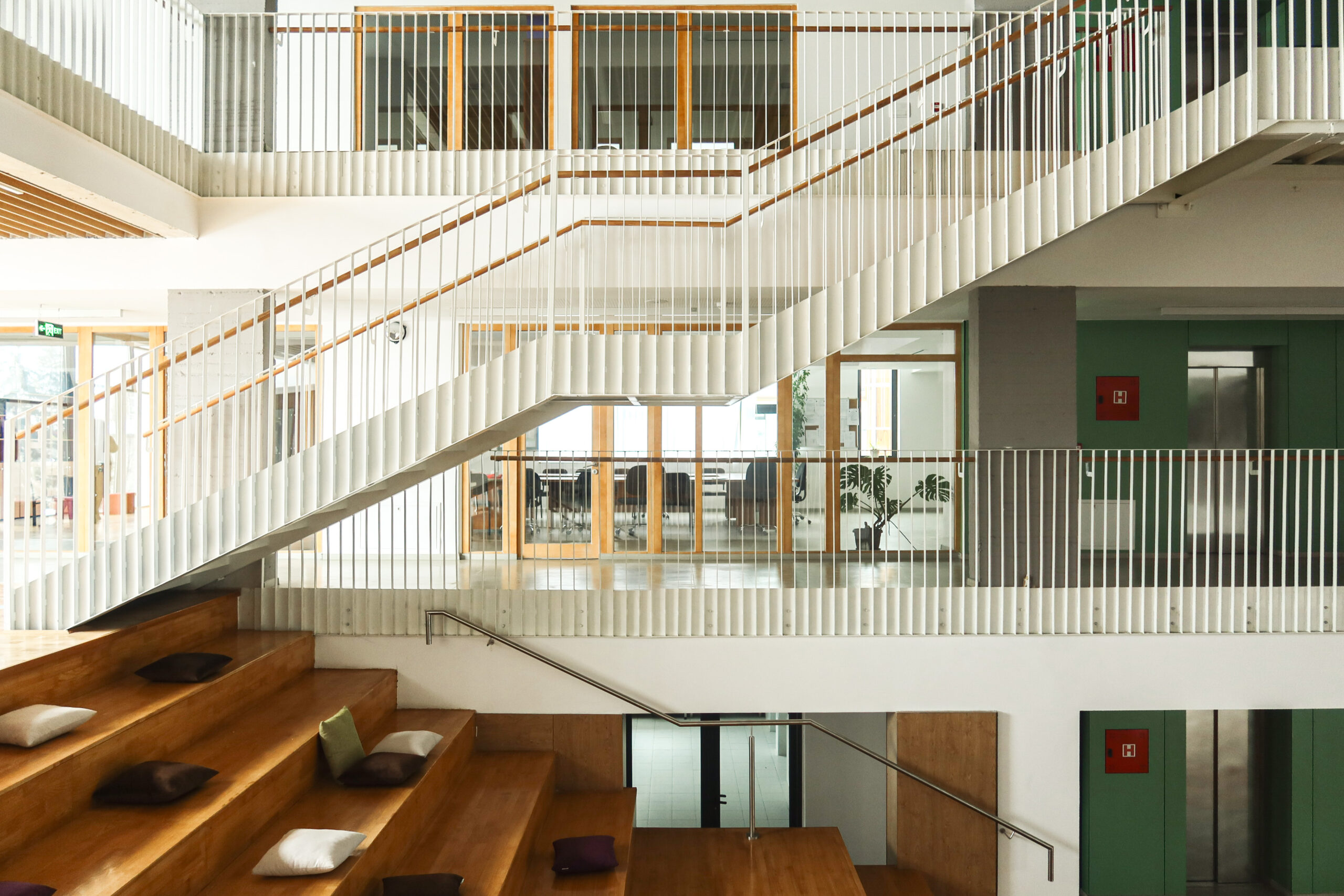

Educational environments play a fundamental role in shaping tomorrow's professionals, and architecture has the capacity to influence how they learn, collaborate, and evolve. This conviction lies at the heart of URBAN PLUS, an established architectural practice whose extensive experience has played a significant role in the development of educational architecture in Kosovo. Through inclusive design processes and close collaboration with students, educators, and local communities, the practice creates learning environments that foster creativity, collaboration, and active engagement. This design philosophy has been recognised through professional awards and distinctions for its contribution to social innovation.
The concept for the Vocational School of Tourism is founded on the belief that learning becomes most meaningful when it takes place in environments that reflect the realities of professional life. Conceived as an educational micro-city, the school extends learning beyond the traditional classroom into a network of spaces that simulate real working environments. Inspired by contemporary pedagogies of active learning, the project creates a setting where theory and practice are seamlessly integrated, making architecture itself an active participant in the educational process.
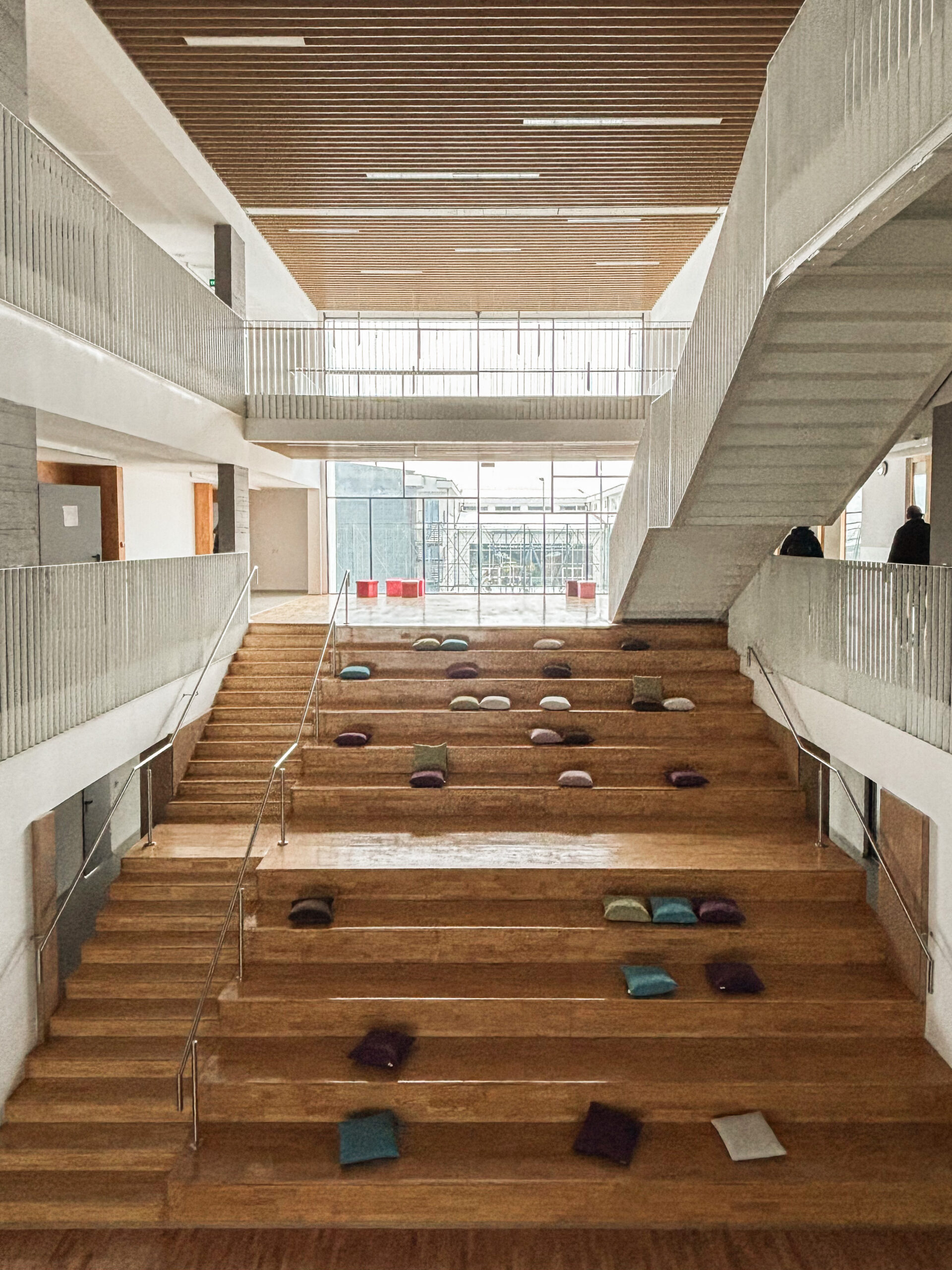
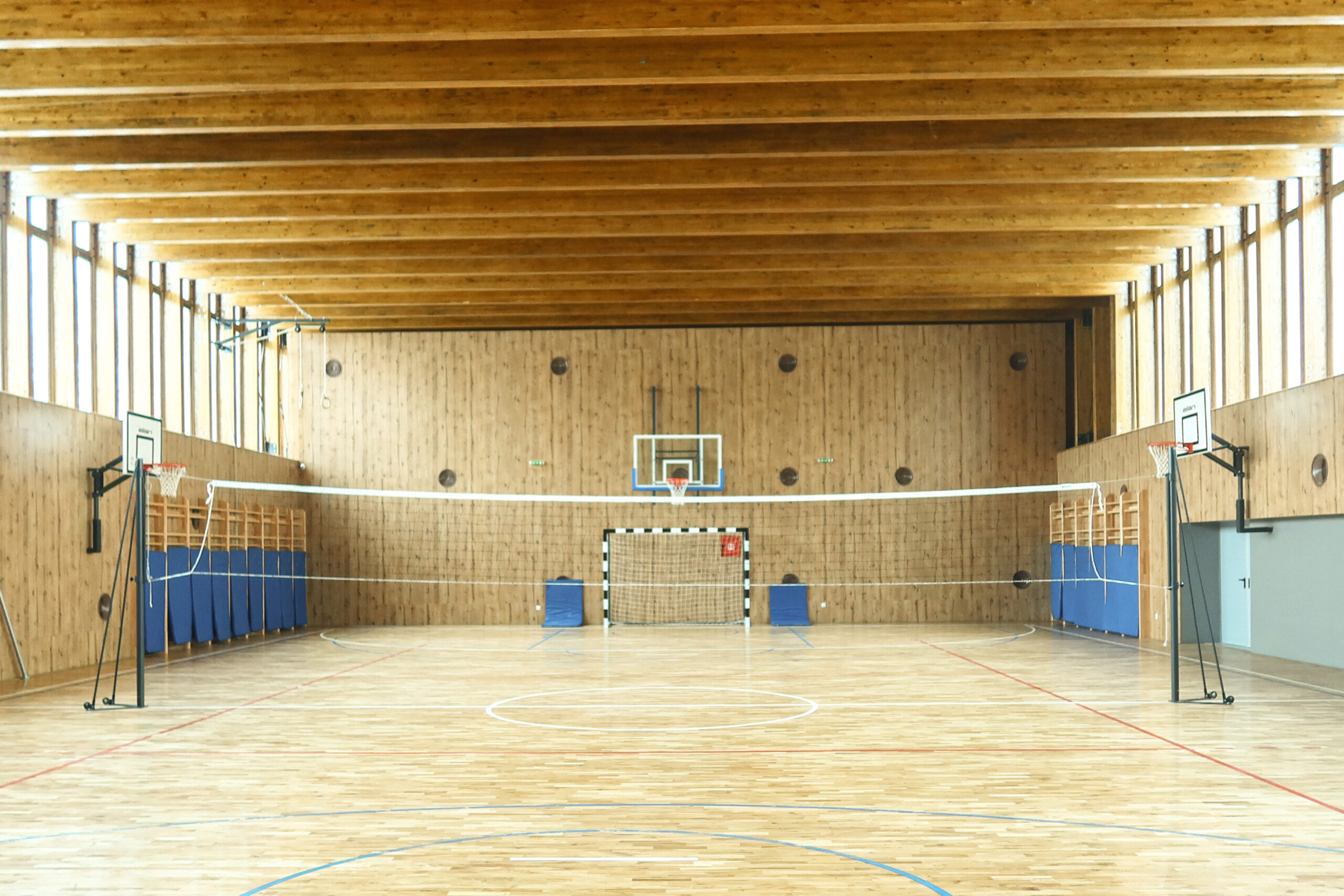
The spatial organisation reflects the rhythms of the tourism and hospitality industry. Conventional classrooms are complemented by specialised laboratories, workshops, professional kitchens, a restaurant, simulated hotel rooms, reception areas, and information offices, creating a learning environment that closely mirrors professional practice. Flexible and adaptable spaces encourage collaboration, communication, and the development of practical skills, transforming the building into a dynamic environment that evolves alongside the learning process.
For URBAN PLUS, this project represents a broader vision of how architecture can directly influence the quality of education and strengthen community development. The school is conceived not as an isolated institution, but as a civic infrastructure that maintains a continuous relationship with the city. Facilities such as the restaurant and shared public spaces are designed to remain accessible to the wider community, transforming the building into a place for gathering, exchange, and collaboration. In doing so, the project demonstrates that educational architecture can extend beyond its traditional role to become a catalyst for social, economic, and cultural development, building lasting connections between education, professional practice, and everyday life.
