Home
Ozone Hair & Clinic
Ozone Hair & Clinic
Ozone Hair & Clinic
Location:Pristina, Kosovo
Typology:
Commercial Building
Author|s:Fisnik Dresha
Year of realisation:2025
Collaborators:Fisnik Dresha, Festina Mala Dresha, Egzon Kryeziu, Uran Sadikaj

The quality of a space is defined by the way it is experienced. Light, materiality, and proportion come together to shape an atmosphere where function and well-being become inseparable. This philosophy defines the work of Froject Architecture, a practice founded in 2015 by architect MSc. Fisnik Dresha, with offices in Pejë and Prishtina. Supported by a multidisciplinary team of architects and engineers, the studio provides a comprehensive range of services, including architectural design, interior design, construction, and site supervision. Across its projects, Froject Architecture understands spatial quality as the result of a harmonious relationship between function, materiality, and human experience.
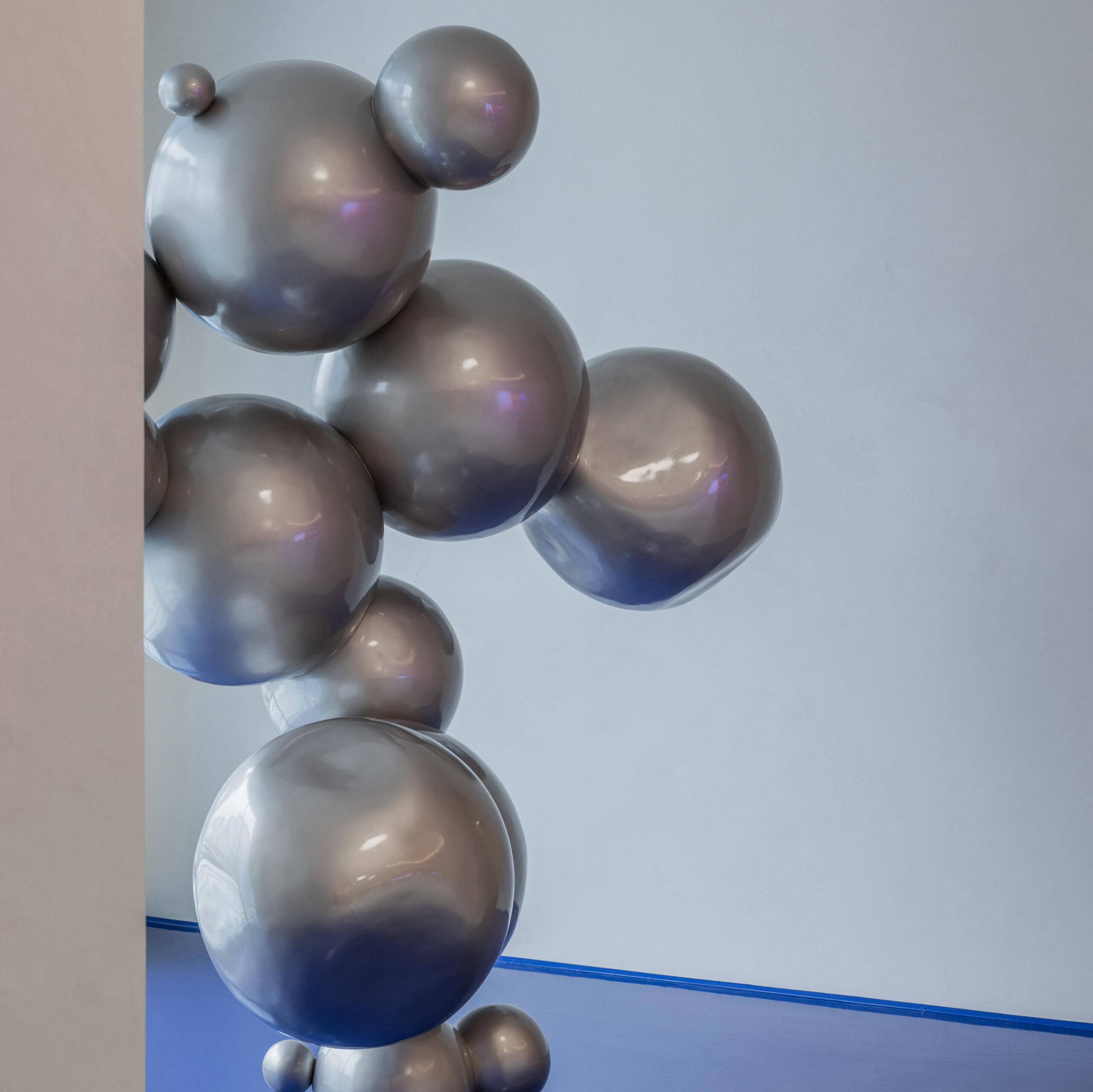
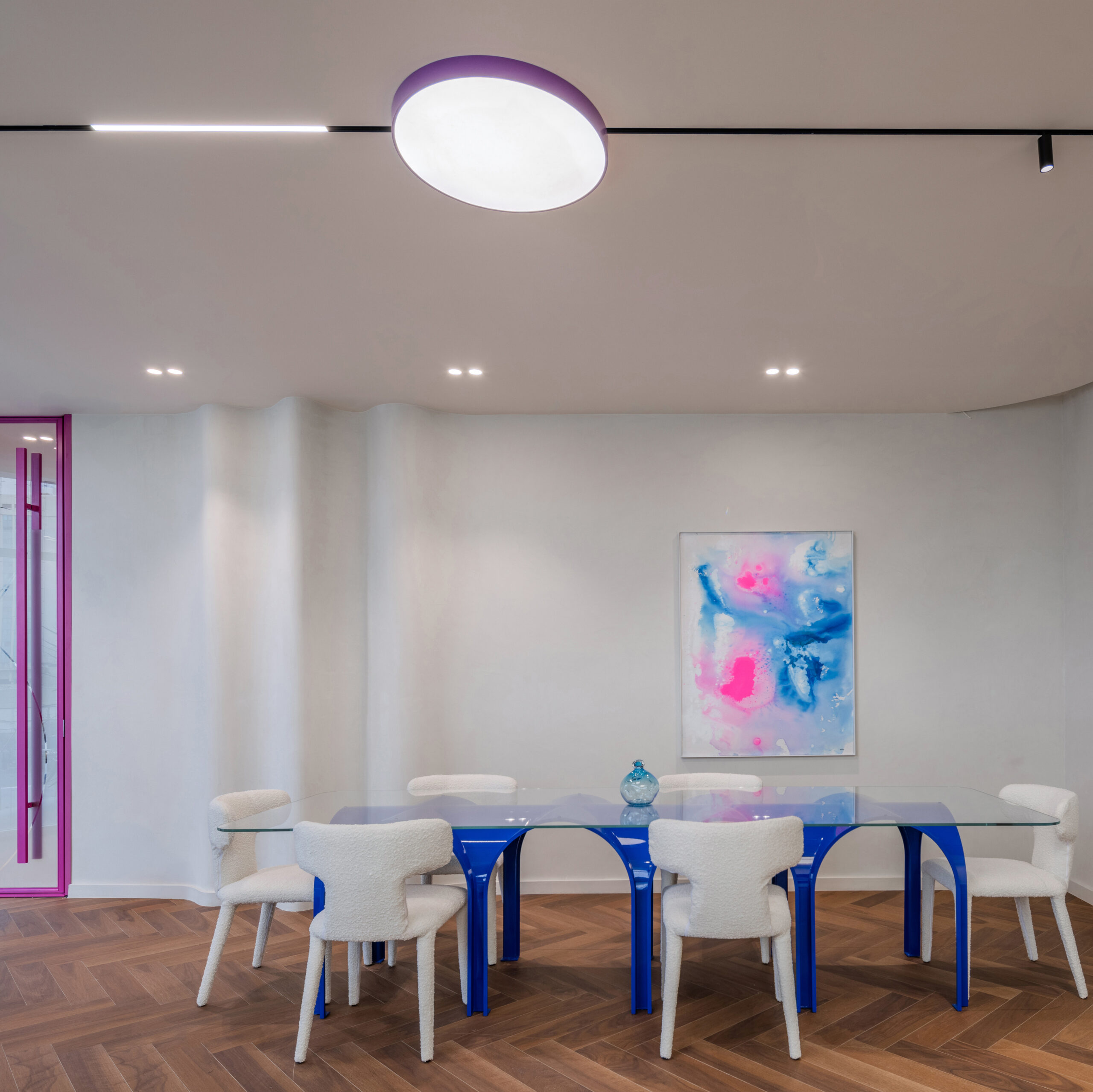
The concept for Ozone Hair Clinic emerged from the ambition to transform a visit to a hair clinic into an experience defined by calmness and well-being. Every design decision was guided by the intention to create an environment where professionalism and aesthetic refinement coexist naturally. A palette of soft blue tones, carefully orchestrated lighting, and thoughtfully selected materials establish an elegant interior in which visitors feel welcomed from the moment they enter.
The spatial organisation follows a clear and intuitive functional logic, guiding visitors seamlessly through the reception, consultation, washing, treatment, and styling areas. Each space maintains its own distinct character while contributing to a coherent overall experience. Mirrors, artwork, and carefully integrated greenery enrich the interior, creating an environment that clearly communicates the clinic's identity while enhancing the user's experience.
For Froject Architecture, Ozone Hair Clinic embodies the belief that interior architecture has the power to shape the way a space is perceived and experienced. The project became an opportunity to explore the relationship between architecture, emotion, and brand identity, demonstrating that every design decision—from light and materiality to spatial organisation and atmosphere—contributes to a holistic experience. The result is an interior where aesthetics and functionality form a clear architectural identity, allowing design to become an integral part of everyday well-being.
