Home
Montis Agroturizëm
Montis Agroturizëm
Montis Agroturizëm
Location:Kaninë, Vlorë
Typology:
Hoteleri, Restorant, Shërbime
Author|s:HSC Studio
Year of realisation:2024-2025
Collaborators:Hektor Canaj

In every project, HSC Studio seeks to uncover the intangible relationship between place, memory, and people. The design process does not begin with form, but with a careful observation of context, an attentive reading of the narratives embedded within the landscape, and an understanding of how architecture can become a natural continuation of them. By combining creative vision with technical rigour, the practice has developed an architectural approach in which local identity and materiality coexist organically, resulting in architecture that is both contemporary in expression and deeply rooted in its place.
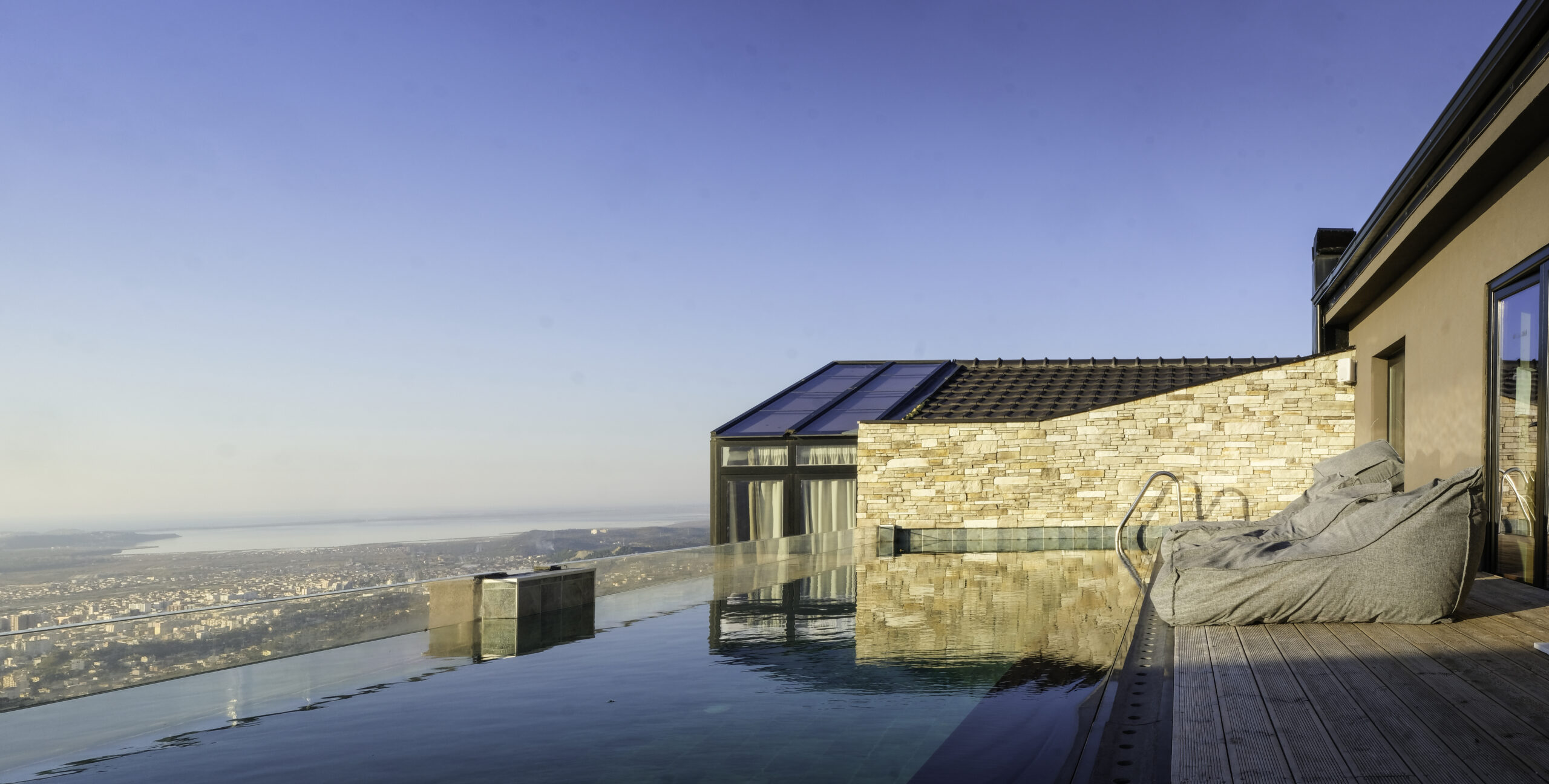
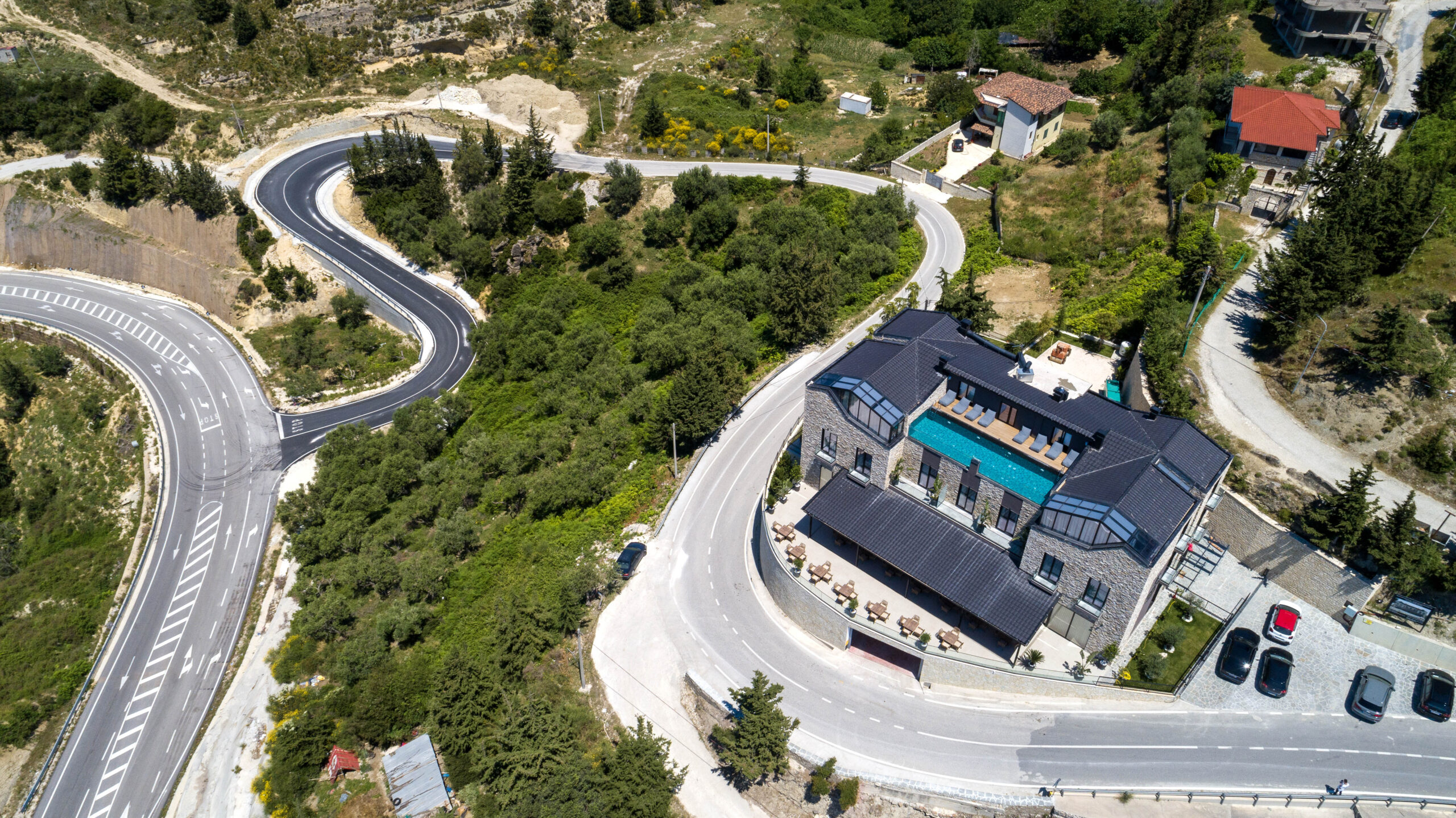
The Montis Agritourism project emerged from HSC Studio's careful interpretation of the architectural character of the region and from a desire to establish an authentic relationship with its existing context. The proportions, façade rhythms, material palette, and the way buildings interact with the public realm became the point of departure for developing a contemporary architectural language that does not imitate tradition but respectfully reinterprets it with clarity and restraint. In this way, the architecture establishes a continuous dialogue between the cultural memory of local traditions and the demands of contemporary living.
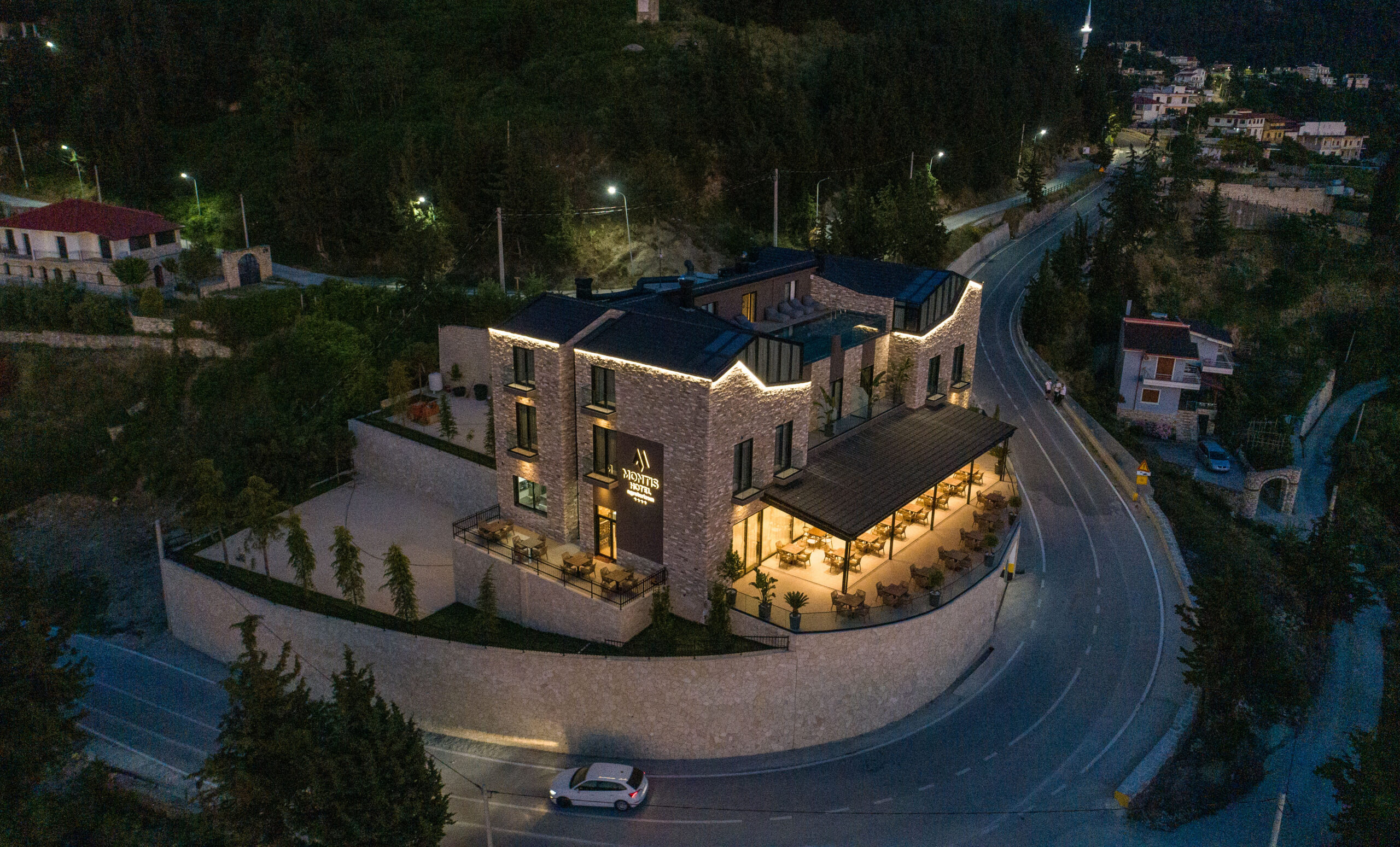
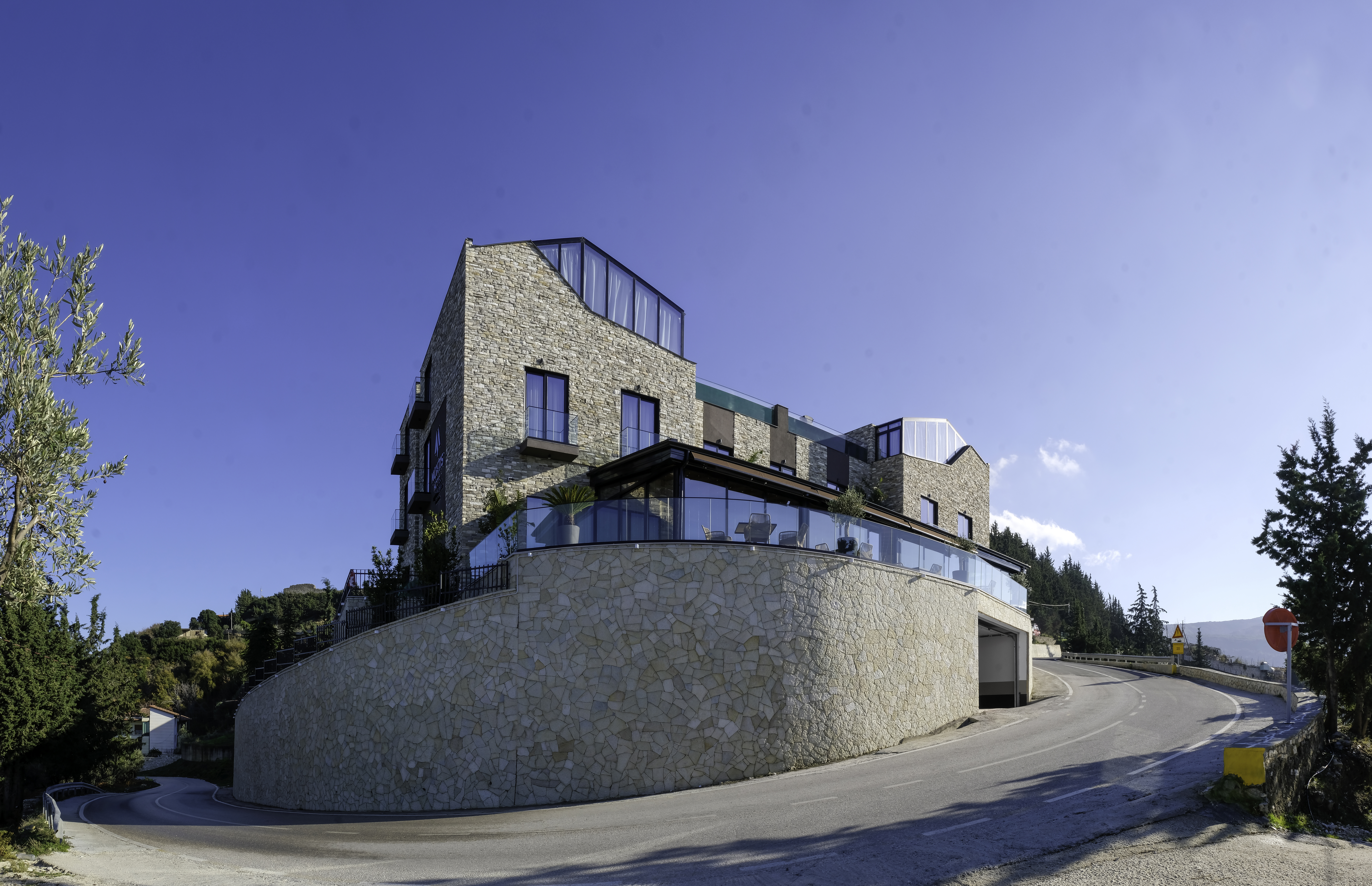
The design concept is founded upon a careful balance between functionality and human spatial experience. Natural daylight, spatial organisation, carefully selected materials, and the integration of contemporary technologies provide the building with a distinct identity while maintaining its strong connection to the surrounding environment. Every design decision forms part of a coherent architectural composition in which form, structure, and landscape are conceived as interdependent elements of a unified narrative, creating an architecture that feels both familiar and innovative.
For HSC Studio, this project encapsulates its philosophy of architecture as both a human and cultural experience. It demonstrates that architectural identity is not achieved through the replication of tradition, but through its thoughtful reinterpretation in response to contemporary needs. Every element—from the building's relationship with the landscape and the orchestration of natural light to the selection of materials and the organisation of space—contributes to the creation of architecture that is rooted in place, contemporary in expression, and enduring in the values it embodies.
