Home
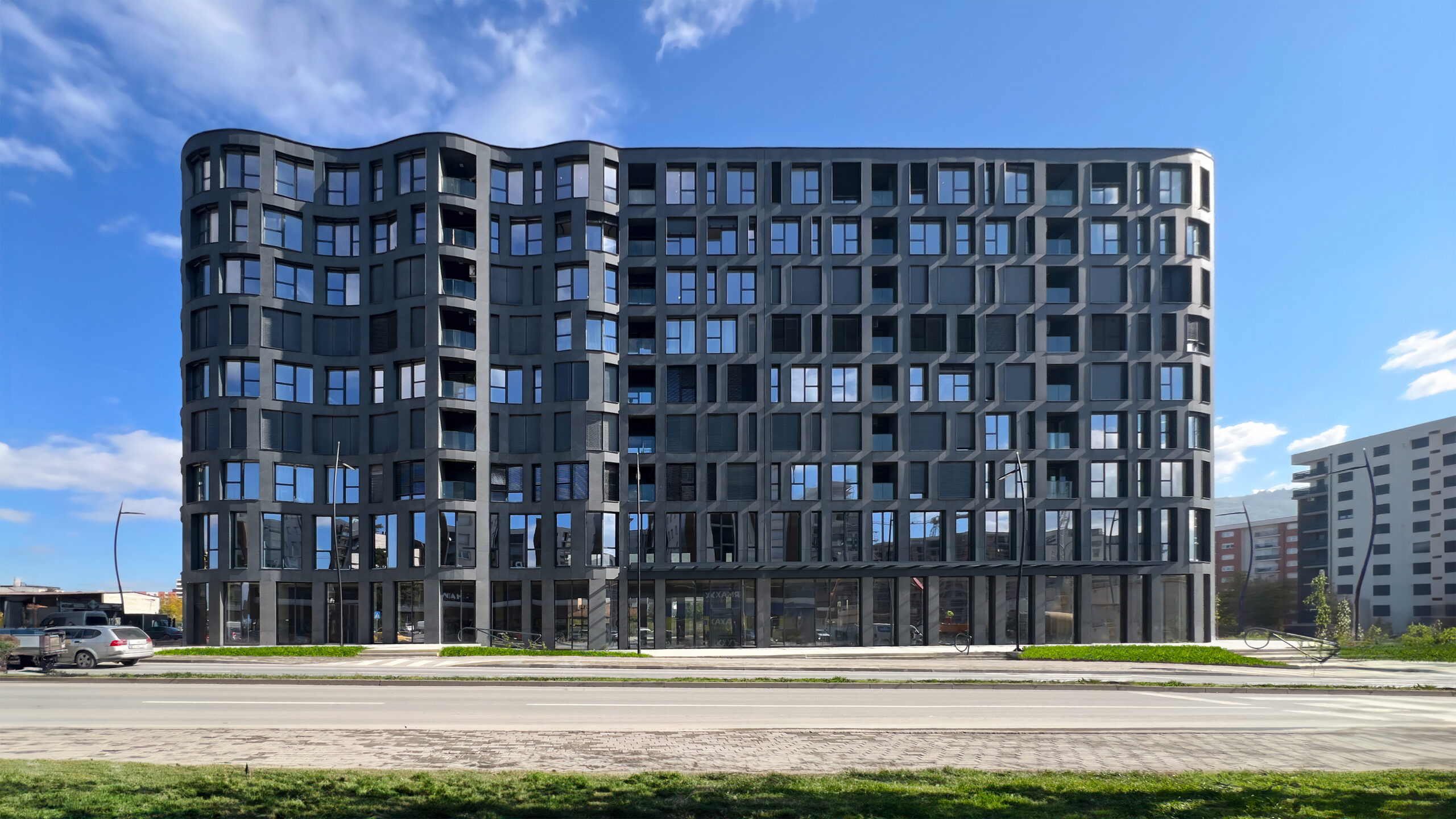
Infinit Plaza
Infinit Plaza
Infinit Plaza
Location:Prizren, Kosova
Typology:
Residential, Commercial
Author|s:Gëzim Puka
Year of realisation:2025
Collaborators:Fidan Belegu, Blend Nallbani, Fiona Driza, Aida Dobruna, Gjin Puka, Structural Eng.: Misin Misini - IPE-PROING, Electrical Eng.: Gani Latifi - Day Engineering , Mechanical Eng.: Rasim Mjekiqi - Klimaterm Hydro. Eng.: Sokol Xhafa - Xhafa Engineering

Puka Design, founded in 1990 in Prishtina by designer Gëzim Puka, represents one of the longest-established architectural practices in Kosovo. Over more than three decades, the studio has developed a practice that spans architecture, design, construction, supervision, and professional consultancy, building a diverse portfolio of residential, public, and commercial projects. At the core of its philosophy lies the belief that every project should reflect the identity of its place and the people who will inhabit it, treating design as a process of interpretation in which form and spatial experience are shaped through close collaboration with the client.
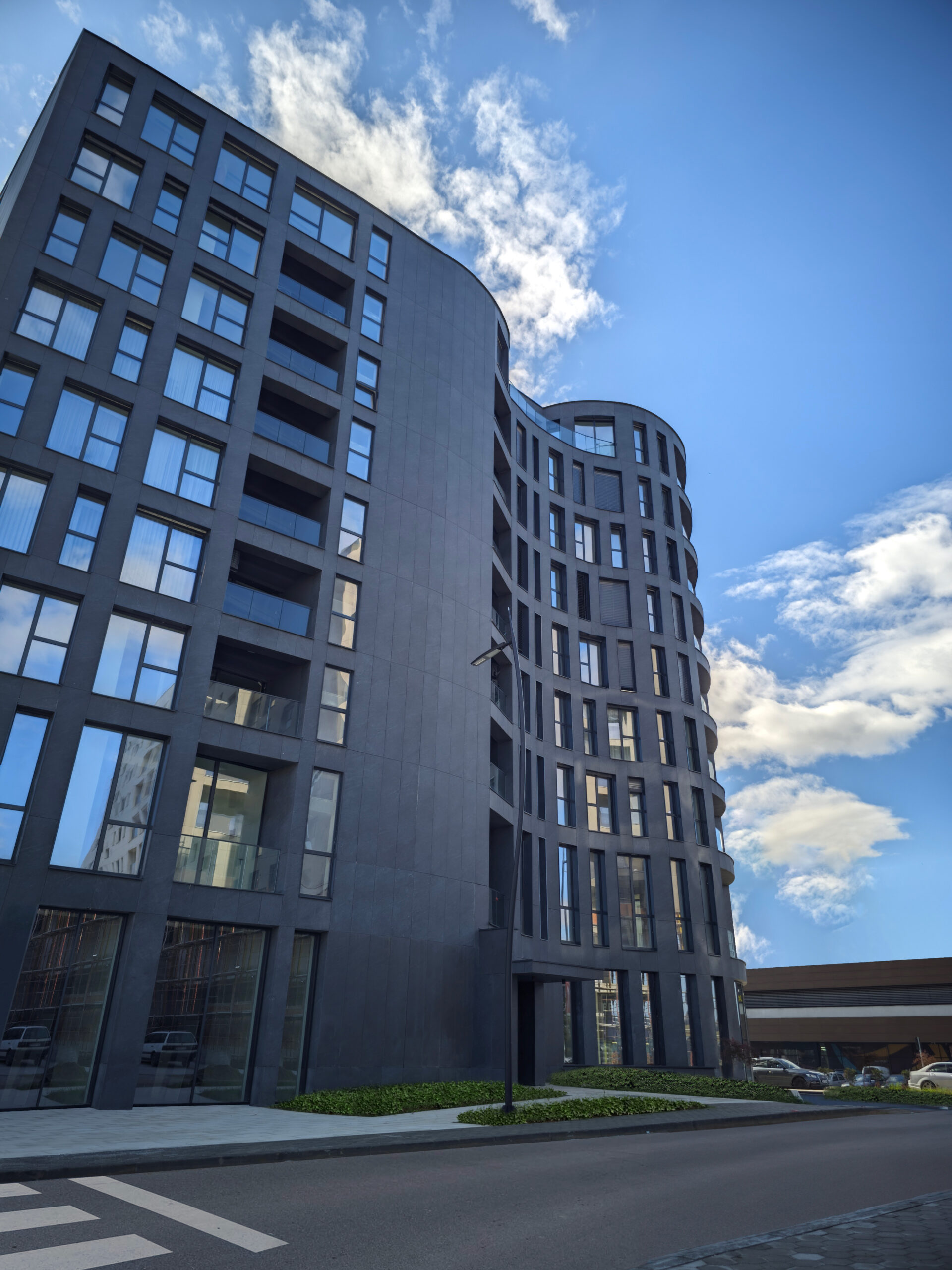
The inspiration for Infinit Plaza originates from the very morphology of Prizren and the course of the Lumbardh River, whose gentle curves and uninterrupted flow became the conceptual matrix of the building. The river’s meandering lines were translated into a calm volumetric composition, where the contours of the façade follow an organic movement, creating a continuous rhythm between surfaces, light, and shadow. Rather than asserting itself as an autonomous object, the building seeks to become part of the city’s flow, embracing the character of the landscape through a balanced and natural architectural presence.
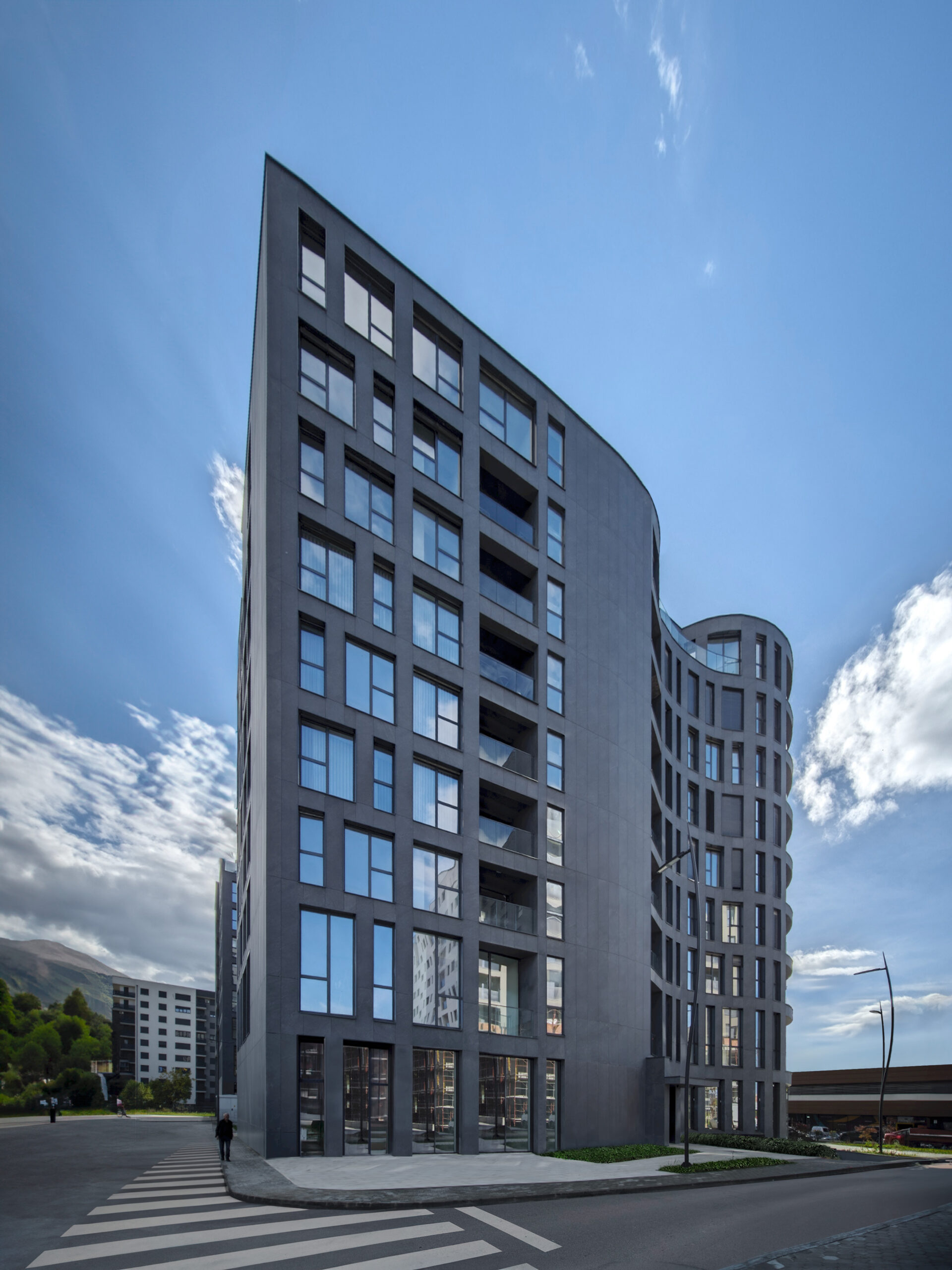
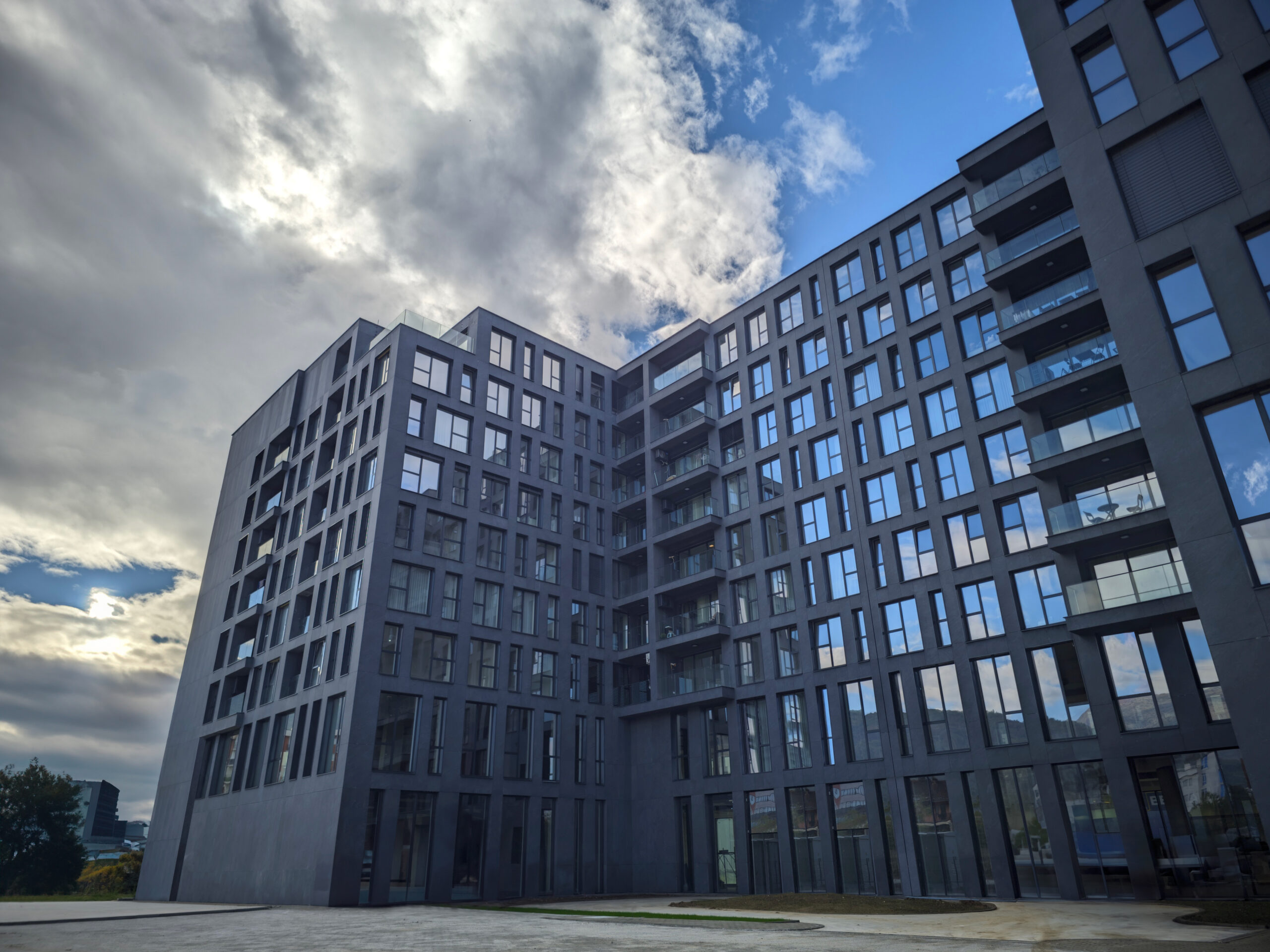
The building’s external expression continuously changes under the influence of daylight and atmospheric conditions. Glass, aluminum, and granite form a dynamic envelope that reflects different tones throughout the day and across the seasons, ensuring that the building is never perceived in exactly the same way. This constant transformation gives the project a temporal dimension, where the architecture does not remain static, but continuously evolves in response to the climate, the sky, and the rhythm of the city.
For Puka Design, this project represents one of the works in which the relationship between concept and place reaches its fullest expression. It embodies a way of thinking in which architecture does not seek to attract attention through its own force, but instead builds a quiet relationship with its surroundings, giving form to what the landscape and the city naturally suggest. In this work, architecture does not seek to become the protagonist, but rather a quiet presence that coexists with the city, allowing time, light, and the changing seasons to continuously complete its identity.
