Home
Red House Albania
Red House Albania
Red House Albania
Location:Lezha, Albania
Typology:
Private Residential Building
Author|s:Gëzim Paçarizi
Year of realisation:2025
Collaborators:

At a time when cities are increasingly beginning to resemble one another and architecture is gradually losing the traces of the place from which it emerges, the work of Gëzim Paçarizi follows a different trajectory. The Kosovo–Swiss architect develops his practice through Studio Pacarizi – Geneva, approaching every project as a dialogue with the land, climate, light, and memory. For him, architecture is not imposed upon the landscape but grows out of it. Form, color, and material are not aesthetic choices detached from their context, but rather a language through which a building learns to speak with the place in which it is built. This approach has established his work as one of the most authentic voices of contemporary Albanian architecture, where vernacular intelligence and contemporary thinking coexist without competing with one another.
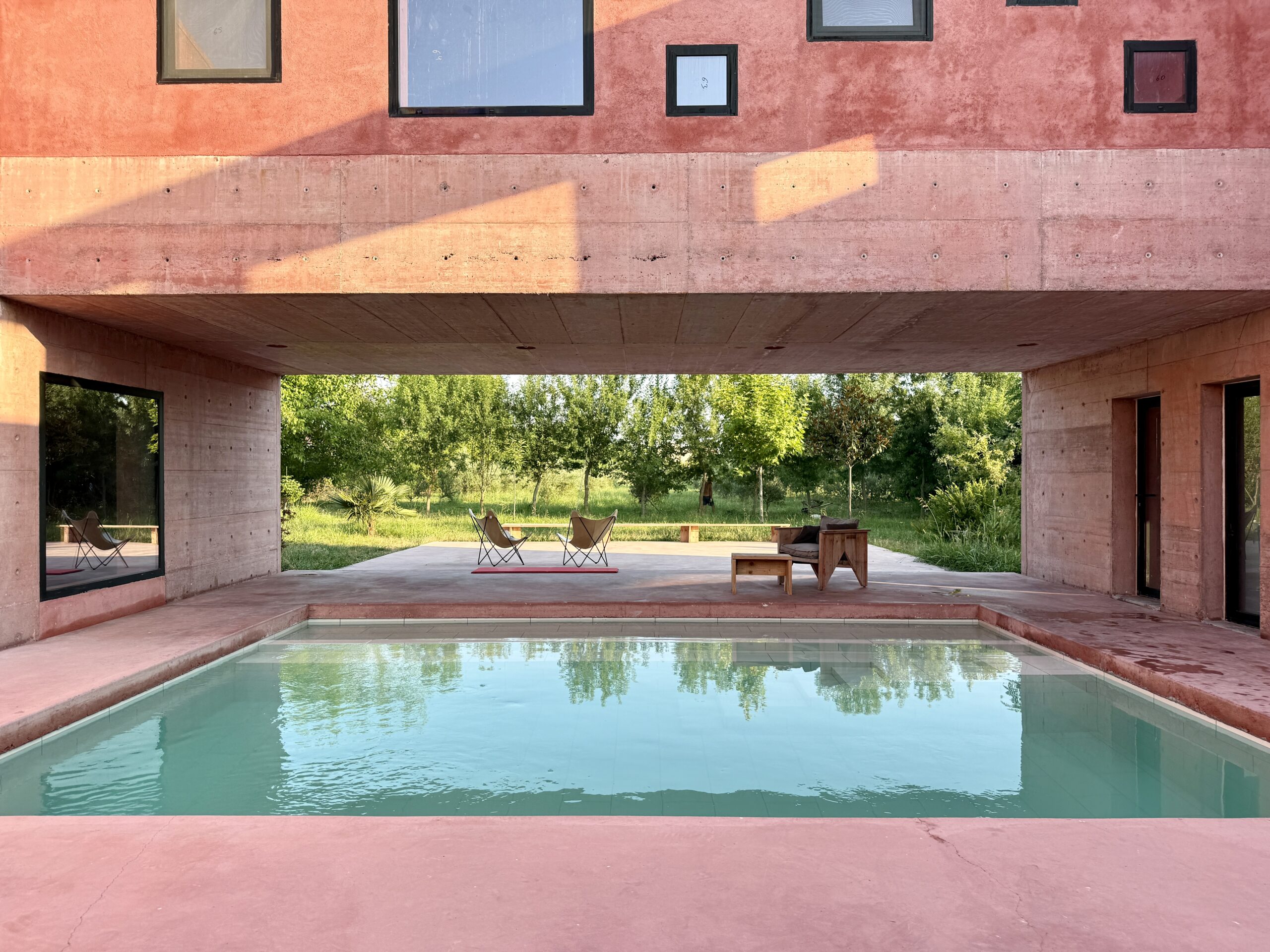
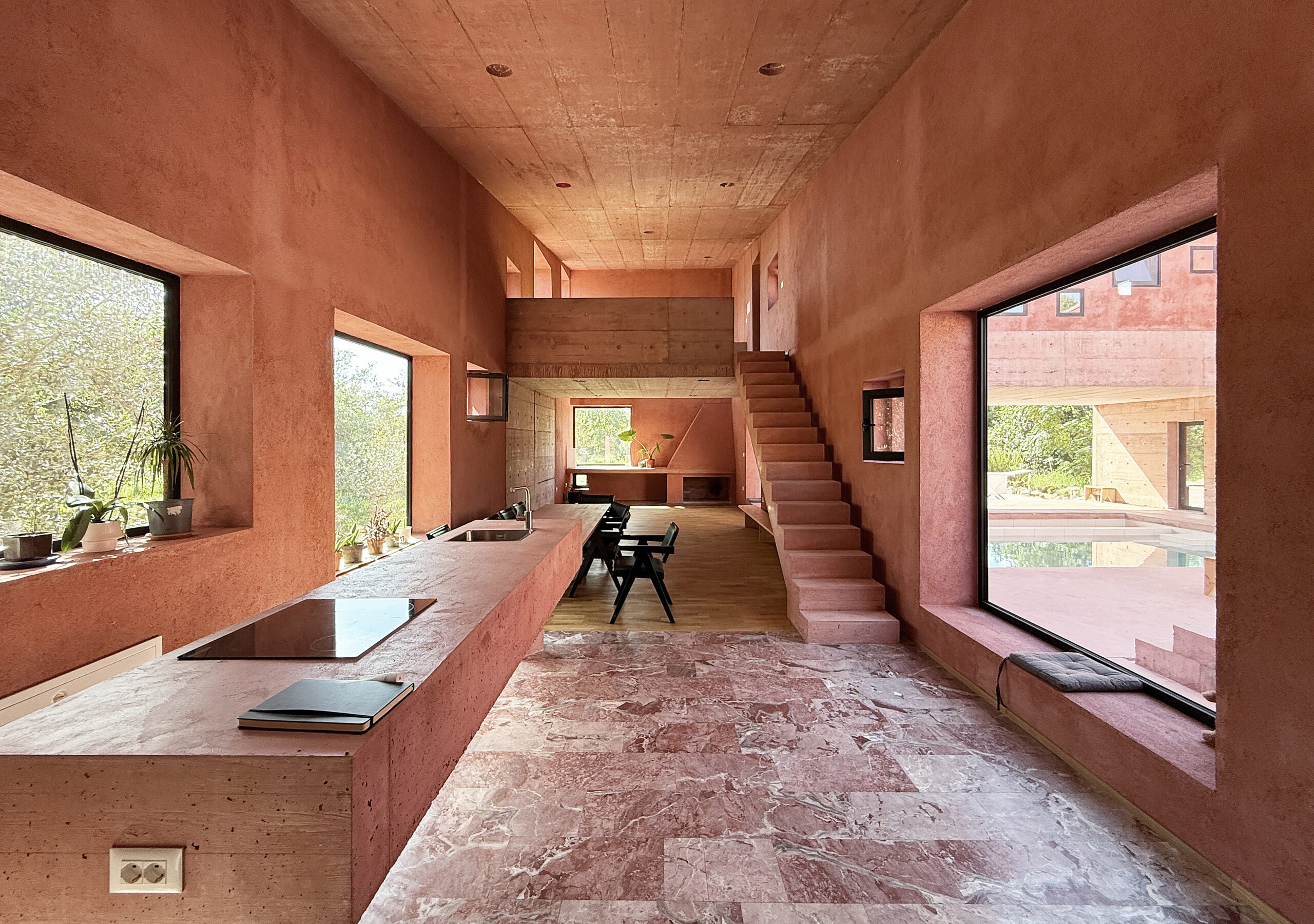
Red House is a reflection on the meaning of dwelling, where architecture restores the lost relationship between people, nature, and the slower rhythm of life. The project reinterprets the typology of the multigenerational home through an architecture that becomes one with the climate, the local economy, and traditional craftsmanship, demonstrating that sustainability does not necessarily require complex technologies, but rather the wisdom to build with what the place itself provides.
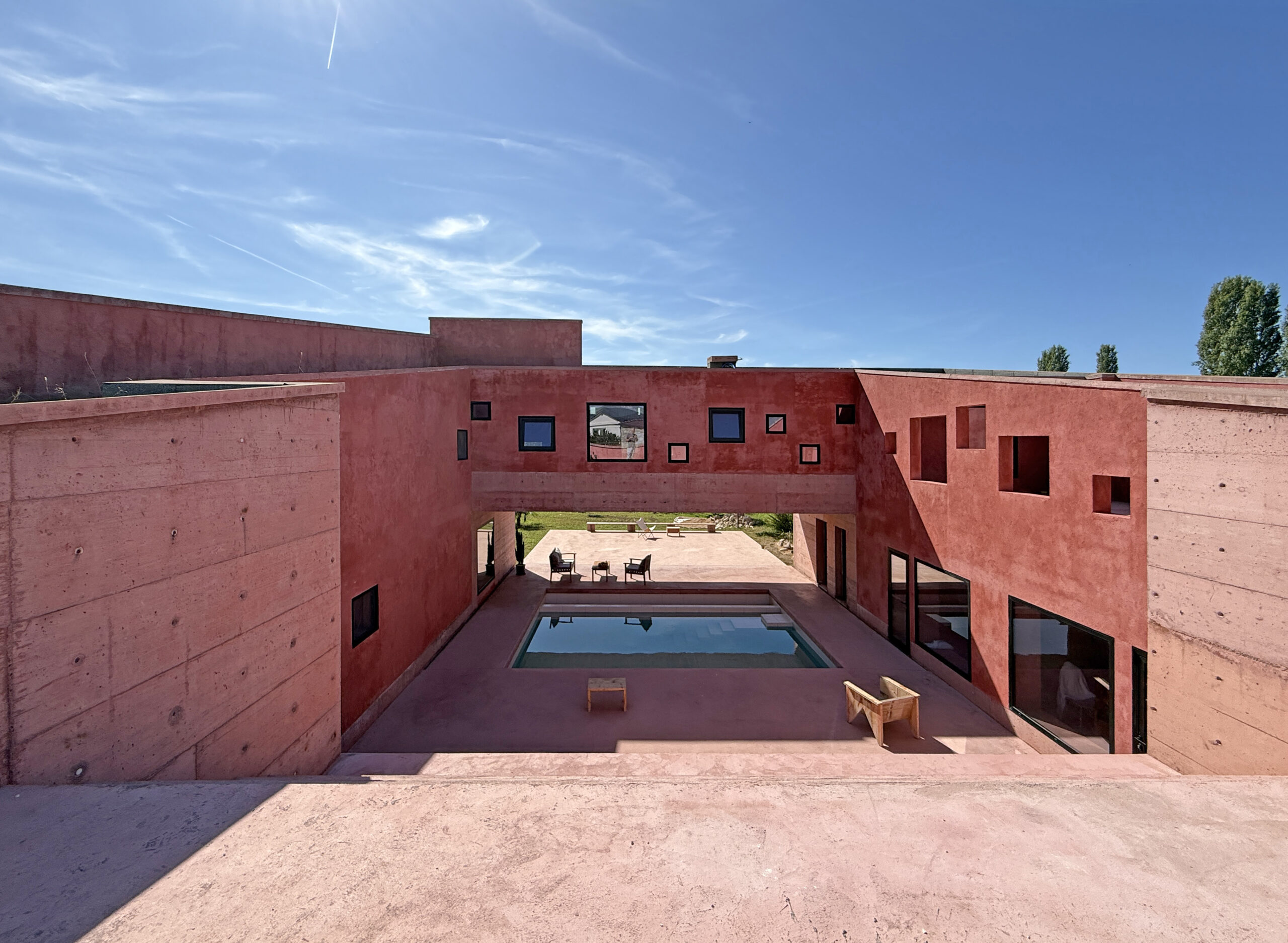
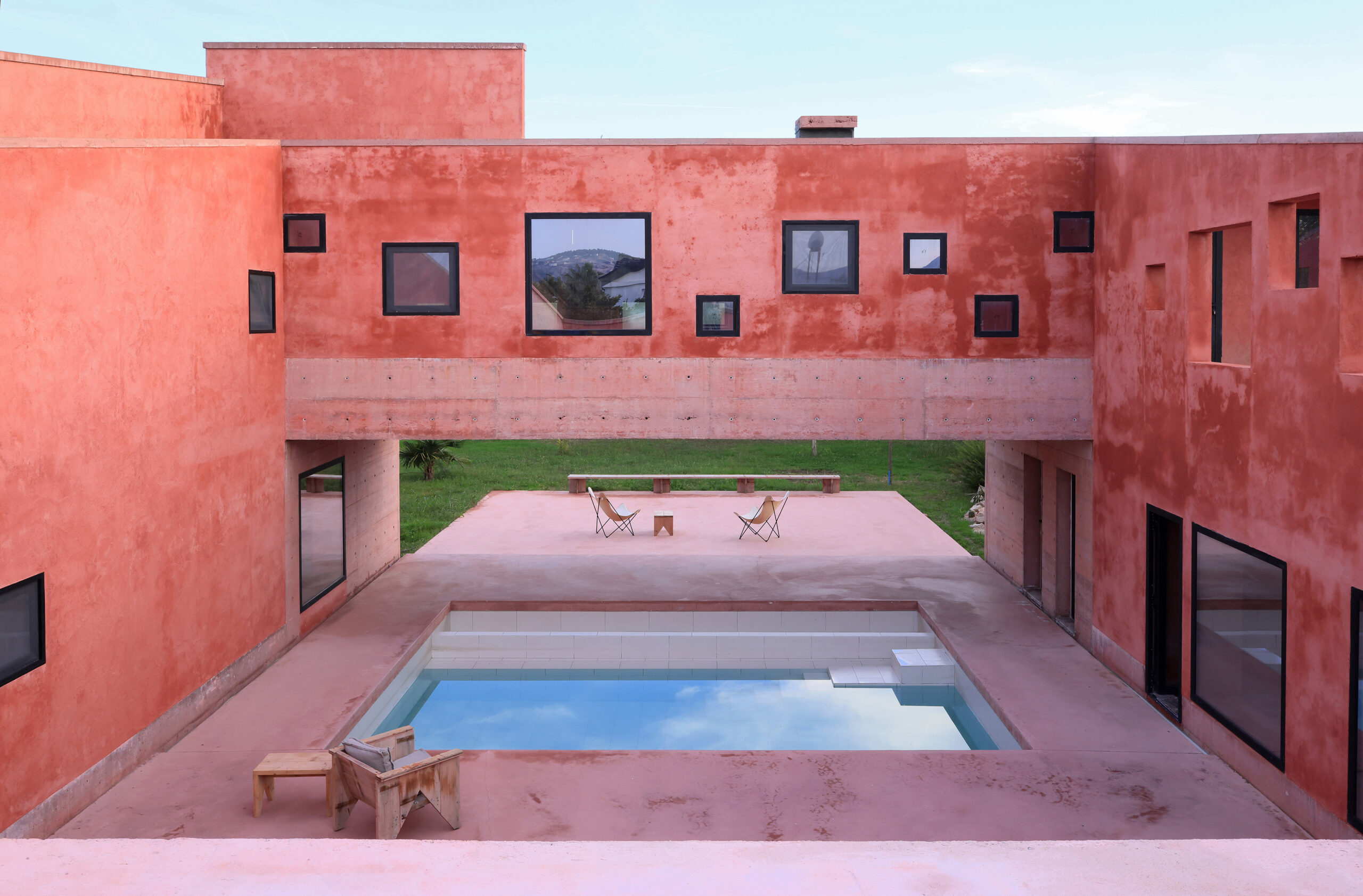
In this house, the window is more than an opening toward the landscape; it is a frame that makes nature an integral part of everyday life. Light moves slowly across the walls, the trees transform with the changing seasons, and the architecture becomes a silent stage upon which nature and its inhabitants write a new story every day. The space does not impose a way of living; instead, it embraces it, creating an atmosphere of tranquility, belonging, and well-being.
For Gëzim Paçarizi, Red House is a manifesto of the belief that truly sustainable architecture is architecture that knows how to listen. It listens to the climate before challenging it, to the land before transforming it, and to memory before replacing it. Rather than seeking spectacle, the building chooses humility; rather than dominating the landscape, it becomes part of its rhythm. It is precisely here that the strength of Gëzim Paçarizi’s work lies: in the ability to create architecture that does not age with time because it is rooted in something far more enduring—in place, in nature, and in the way people inhabit space.
